• Skip to primary navigation
  • Skip to main content
  • Skip to footer
Vaikuttavuussaatio

Vaikuttavuussaatio

Vaikuttavuussäätiö vahvistaa ja tukee huippututkimuksen vaikuttavuutta ja elinkeinoelämän yhteyksiä.

  • FI
  • EN
  • Front page
  • Funding
    • Open and upcoming calls
    • Previous calls
    • Projects funded
      • TIA Seed (2025)
      • TIA Postdoc (2025)
      • TIA Seed (2024)
      • TIA Professor (2024)
      • TIA Postdoc (2024)
      • TIA Professor (2023)
      • TIA Postdoc (2023)
      • TIA (2022)
      • TIA Professor (2022)
      • TIA (2021)
      • TIA (2020)
      • Assessing the effectiveness of the new funding model (2020)
    • Grant application system
  • Foundation
    • About
    • Annual reports
    • Blog
    • Impact assessment
  • Publications
    • Impact assessment
    • Guide for industry–academia collaboration
    • Other publications
  • Contact

vaikuttavuussaatio

Making the most of joint industry–academia projects: some pointers

2.12.2021 by vaikuttavuussaatio

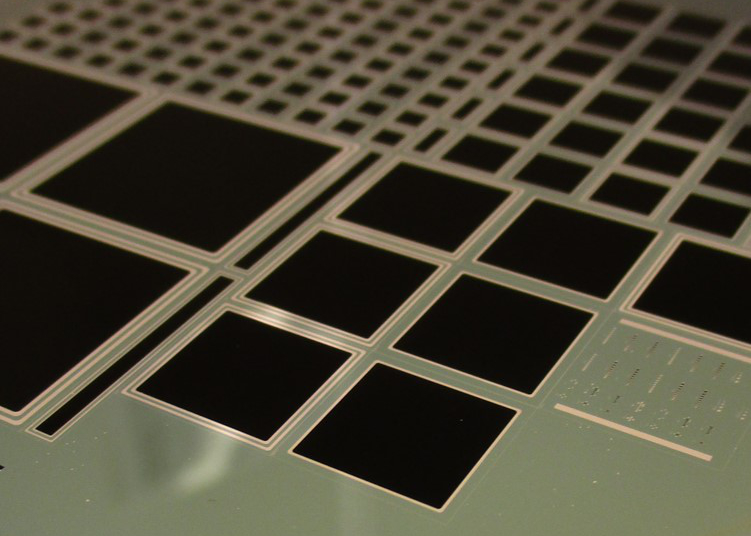
Prototypes of highly sensitive infrared sensors produced by Aalto University and ElFys. Photo: Toni Pasanen.

Infrared sensors have several important areas of application, such as in medical imaging, data communications, robotic cars and dark vision. Launched in 2020 with funding from the Finnish Research Impact Foundation FRIF, Superior infrared sensors is a two-year project where researchers from Aalto University are working closely with business partner ElFys to develop a new type of highly sensitive infrared sensor.

The project brings together the expertise of Aalto researchers on nanomaterials such as black silicon and the business partner’s know-how in components manufacturing and production. Pooling resources and expertise is an effective route to achieving challenging goals, but the success of the project also depends on how well the two partners work together.

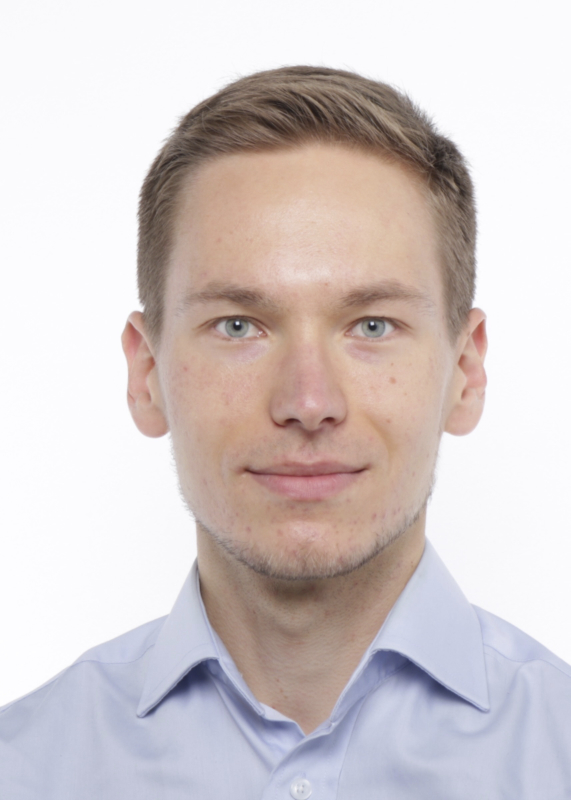
Together with Mr Antti Haarahiltunen, project coordinator and supervisor at ElFys, the project’s Principal Investigator, Associate Professor Hele Savin and postdoc researcher Toni Pasanen from the Aalto Department of Electronics and Nanoengineering offer some useful pointers on how to make the most of Tandem Industry Academia collaborations.

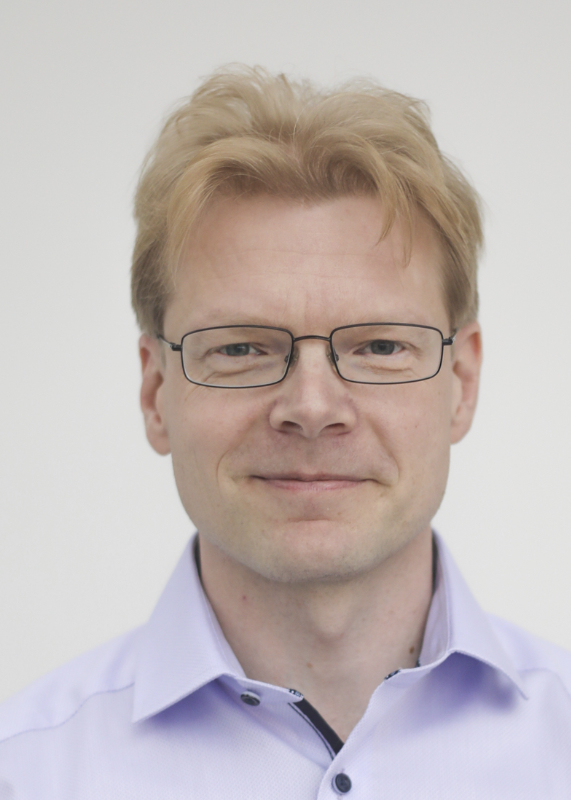
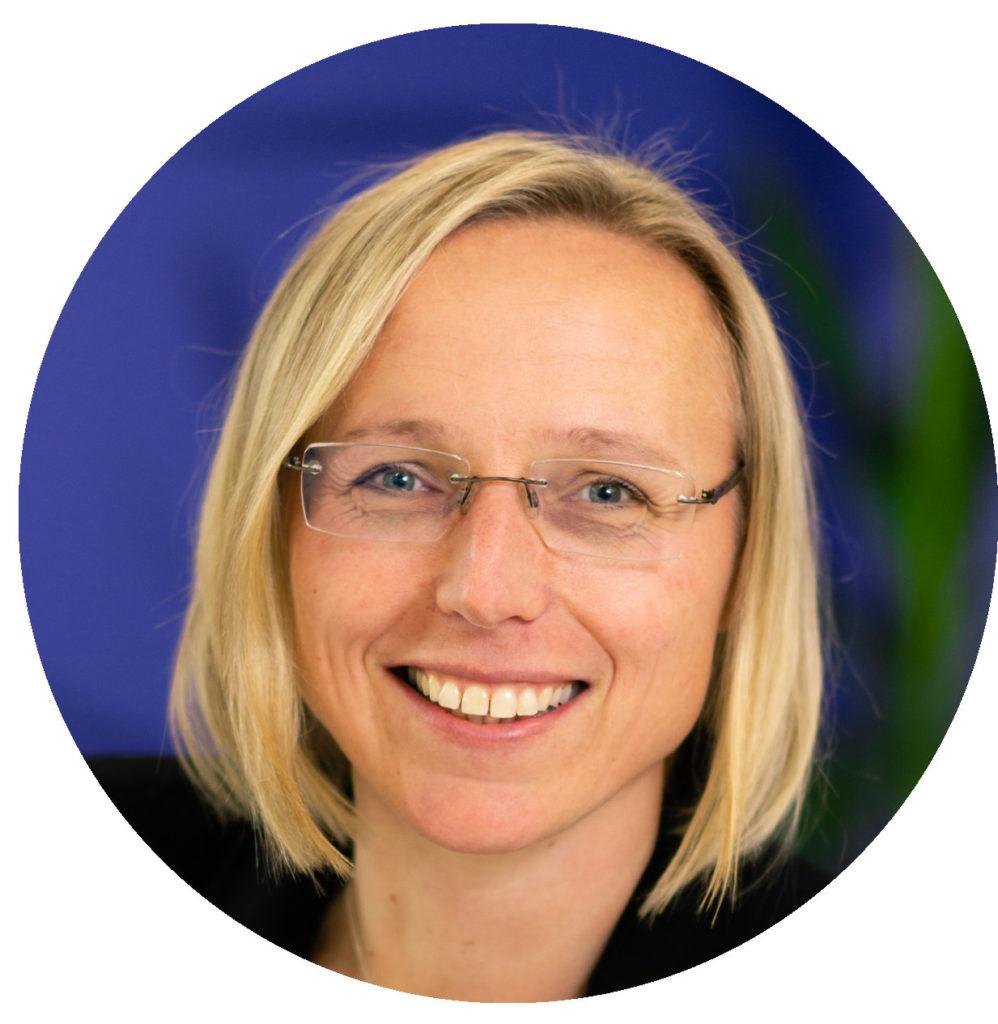
  • Hele Savin, Associate Professor, Micro and Nanoelectronics. Department of Electronics and Nanoengineering, Aalto University.
  • D.Sc. (Tech), MD Antti Haarahiltunen, CTO, ElFys Oy.
  • Toni Pasanen, Postdoctoral Researcher. Department of Electronics and Nanoengineering, Aalto University.

Get the right people in the right places

Tandem Industry Academia (TIA) projects provide a unique framework for building strong and productive collaboration between academic researchers and business partners. The key lies in getting the right people in the right places.

“I’d invest a lot to ensure that you get the right people to carry the project forward. The postdoc researcher has a pivotal role which differs significantly from what you’ll see in purely academic projects, for instance. It’s crucial that your postdoc researcher is motivated both by the research subject and by the prospect of working in an industrial environment,” says Associate Professor Hele Savin from Aalto University.

In addition to a Principal Investigator and postdoc researcher, TIA projects are to appoint an Industrial Supervisor representing the business partner and organization.

“The supervisor must be committed and devoted to working on the theme of the project but should also have an interest in doing academic research. This is because the TIA project involves close cooperation with the university and in that sense differs from regular in-house product development projects,” says postdoc researcher Toni Pasanen.

“For the Industrial Supervisor it’s definitely a plus to have experience of academic projects, both from the point of view of setting realistic goals and time use in general,” Mr Haarahiltunen adds.

Cooperation pays dividends, from the very outset

All plans submitted for TIA projects are required to include a preliminary schedule for the project where working hours are evenly allocated between the business company and the university.

“Our initial plan was for Toni to spend his first project year at the university and the second year with the business partner, but this didn’t work out as we had anticipated,” Savin says.

“We soon realized it would be much more useful if we had access to the expertise and hardware available at the business partner from the very outset. That’s why I’ve spent quite a surprising amount of time working with the company as soon as we got underway,” Pasanen says.

“I’d advise against setting down a very strict timetable. The stage of the research process may also influence the decision on whether it makes more sense to work at the university or with the company,” he continues.

Lay down the ground rules as early as possible

In any joint research project it’s important to agree on a set of ground rules concerning any immaterial rights created in the course of the project and the preparation of publications, for instance.

“We have a written agreement on immaterial rights between the university and the business partner,” Savin says.

“There are lots of practical things that you should agree upon in advance, such as communications, data sharing, timetables and the use of company equipment or other resources, but it’s also important to specify what’s regarded as confidential information and business secrets for the company: you need to cover these issues before the researcher has conducted any experiments and submitted the first scientific article for review. This will help to avoid any awkward situations arising later,” Pasanen adds.

“From the business partner’s point of view I think publishing is always a good idea, so long as the process of protecting any potentially innovative elements has been properly started,” Haarahiltunen continues.

Prepare for the post-project era

Every project will eventually come to an end. The TIA projects funded in the first and second rounds in 2020 and 2021 are scheduled to run for two years. Although the postdoc researcher in every TIA project is on the university’s payroll, it’s good to talk about what kind of future expectations the project creates for the business partner.

Associate Professor Hele Savin is keen to stress the importance of considering the postdoc researcher’s role in relation to the company once the project is completed, and doing this as early as possible: “Will the researcher be in the same position as other company employees? Is the company possibly looking to hire the researcher?”

“It’s good if the postdoc researcher gets to work as part of the team in the business partner’s organization, rather than limiting his or her interaction to communications with the supervisor in the company. It will help the researcher gain a clearer picture of what else the company is doing and what it’s like to work in the company. And this, in turn, will help to form a clearer picture of the post-project era,” Toni Pasanen says.

Antti Haarahiltunen shares a similar view:

“After the project the postdoc researcher will hopefully have a positive impression of the company and, if the situation’s right, will want to join the company. This will be more likely if during the course of the project he or she has the opportunity to see close up how the company works,” he explains. 

Maintaining close relations with the business partner is also important from the university’s point of view.

“It good to talk about how the two parties can continue their collaboration once the project is completed,” Savin says.

“It’s unlikely this research subject will be exhausted in two short years, so the collaboration can probably continue,” Haarahiltunen concludes.

Superior infrared sensors is a joint research project between Aalto University and ElFys. The project received two-year funding from the Finnish Research Impact Foundation in 2020. Click here for more information on FRIF-funded projects.
Filed Under: Blog

Science can also produce surprises

13.10.2021 by vaikuttavuussaatio

View the full statement by the Minister of Science and Culture, Mr Antti Kurvinen.

Mr Antti Kurvinen, Finnish Minister of Science and Culture, attended the reception for the latest FRIF funding recipients and gave a speech which stressed the impacts of science and research in society: the scientific discoveries that are being made today will in time translate into better future technologies. 

The Finnish Research Impact Foundation awarded more than two million euros through its Tandem Industry Academia programme to support 11 new cutting-edge research projects in 2021. The reception for funding recipients was a hybrid event hosted by FRIF on 22 September.

Discussing the short-term and long-term time frame of the impacts of science, Minister of Science and Culture Antti Kurvinen referred to the new knowledge accumulated during the global COVID-19 pandemic about the virus, its spread and treatment and about rapid vaccination development. 

“Valuable knowledge was obtained within a matter of weeks and months, and scientific research also quickly corrected itself,” the minister said.

Mr Kurvinen also commented on the recent widespread debate on the impact of science and public research funding. He pointed out that “the world is no laboratory” and that it is impossible to predict all future impacts of science and research, even though many of those impacts are direct and immediate. Often, however, they will only become apparent in the longer term.

“Science can also produce surprises,” Mr Kurvinen said.

He furthermore observed that the impact of science and the freedom of science are not opposites, just as basic research and applied research are not opposites – both are equally necessary.

“Even though it is difficult to measure the impact of research, impact is nonetheless an essential objective that we should advocate and keep on discussing,” Mr Kurvinen continued.

Recognition to FRIF

The minister emphasized in his speech that public RDI funding also has a key role to play in accelerating cooperation, but that money alone is not the solution.

“If cooperation between business life and science was essential before the coronavirus pandemic, it is now even more imperative,” the minister said.

He continued: “Skills, competence and innovation are key. This calls for a favourable environment for both research activities and business operations in our country.” 

The minister also expressed his recognition to the work done by the Finnish Research Impact Foundation in its first years of operation. Ever since its inception, Mr Kurvinen said, FRIF has made a significant contribution to advancing the impact of science both through its funding and by participating in the public debate on the subject. 

“This is exactly what the Finnish government aimed to achieve a few years ago when it decided to set up the foundation.” He concluded his speech by congratulating all new recipients of FRIF funding.

The Finnish Research Impact Foundation was created by the Finnish government in 2019 with a view to strengthening cooperation between academic research and industry. At the same time, the aim is to boost Finnish business efficiency through world-class research.

You might also be interested in reading the speech by Lauri Oksanen, Chairman of the FRIF Board, on the role of funding in supporting research and innovation »

Filed Under: Blog

The benefits of cooperation work in both directions – “Let’s get the wheel rolling”

13.10.2021 by vaikuttavuussaatio

View here the talk by Chairman of the FRIF Board, Mr Lauri Oksanen in its entirety.

Research produces new knowledge and this knowledge produces new innovations and new resources that help produce new knowledge and solve problems in society. This was the key message of the speech delivered by Chairman of the FRIF Board, Mr Lauri Oksanen at the reception held for new FRIF funding recipients.

The Finnish Research Impact Foundation awarded more than two million euros through its Tandem Industry Academia programme to support 11 new joint projects in 2021. The aim of the funding programme is to promote dialogue between academic research and industry and to advance the impact of cutting-edge research through cooperation with business and industry.

In his speech Chairman of the FRIF Board, Mr Lauri Oksanen stressed the fundamental importance of cooperation and collaboration in producing impact and in generating new innovations.

“Research produces new knowledge, and that goes for both basic and applied research. Private companies and public organizations can use this knowledge to produce new innovations,” Mr Oksanen said.

Research needs resources, which means hard money, to produce this knowledge, and innovations will again translate knowledge into money and other resources. This is how society works and prospers, and this is how challenges in society can be addressed and handled.

“In order to achieve impact we need both research and innovations,” Mr Oksanen said. 

The funding gap needs to be bridged 

In Finland, the Academy of Finland funds research in higher education, while the role of Business Finland is primarily to support business research activities. At the moment the target in Finland is to increase research and development expenditure from its current level of 2.7 % to 4 % of GDP. This effort is being promoted through national RDI roadmap activities as well as by the parliamentary RDI working group.

Mr Oksanen was keen to stress that Finland has long had an exemplary effective innovation system. Over time, however, a gap has opened up with respect to cross-sector cooperation.

In spring 2021 FRIF commissioned a survey on the current state of funding for joint industry-academia projects and discovered that the gap between businesses and academic research had widened. This was reflected in a declining trend of funding channelled through the business sector to universities in the 2000s: Finland now ranks below the average for OECD countries.

“The funding system must be viewed as a whole. If money is simply invested across different parts of the system, that won’t necessarily have the best effect on cooperation,” Mr Oksanen said. 

He compared the efforts to step up cooperation to getting the wheel in motion: “FRIF’s aim is to support cooperation and get the wheel of cooperation between research and innovation rolling more efficiently.”

“Getting that wheel rolling is beneficial for both parties. It is not only about funding individual projects, but the development of a culture of cooperation”, he concluded.

Download the slides from Lauri Oksanen’s presentation here »

Read the blog article on the statement by Minister of Science and Culture Antti Kurvinen here »

Filed Under: Blog

FRIF invests more than 2 million euros to support academia-industry collaboration

25.8.2021 by vaikuttavuussaatio

Research brings new insights, for instance, into machine learning in pharmaceuticals development and emissions from dairy production.

The Finnish Research Impact Foundation has awarded more than two million euros to research projects where universities and research institutes are working in close collaboration with industry partners. This was the second call under the Tandem Industry Academia funding programme, which is aimed at enhancing the impact of research through increased cooperation with industry partners. The new funding decisions amount to the same level of investment that was made one year earlier in the previous call.

The newly funded joint ventures include projects to research and develop technologies for the measurement of small atmospheric particles; emissions from dairy production; the role of forests in climate modulation; highly repellent coatings; and prospects for machine learning and artificial intelligence in pharmaceuticals development and in sawmill processes.

The research teams involved in the 11 projects come from the University of Helsinki, Aalto University, the University of Oulu, Tampere University, LUT University and the Finnish Meteorological Institute.

The business partners involved in the projects bring to the table their R&D expertise and market know-how. The partner companies are Vaisala, Satellio Company, Orion Pharma, GE Healthcare, Finnos Oy, Valio, nLIGHT Oy, Danfoss Drives/Vacon, Finnadvance, Bluefors and Polar Electro.

One of the new projects is a joint effort of research teams from the University of Helsinki and Orion Pharma, who are breaking new ground in Finland by combining state-of-the-art chemistry technologies with machine learning in pharmaceuticals research. Their aim is to optimize the process of pharmaceuticals synthesis and to identify improved synthetic routes to drugs and thereby to accelerate pharmaceuticals manufacturing processes.

“FRIF funding means that we can proceed with our research which has definite impact potential. It’s also an excellent way of supporting and promoting scientific collaboration with business partners, which in a best case scenario can pave the way to wider cooperation,” says University of Helsinki Professor Jari Yli-Kauhaluoma, who is principal investigator of the project Optimizing synthesis of pharmaceuticals by machine learning.

More information on all the 11 projects funded »

The Foundation received 80 applications to the second Tandem Industry Academia funding call, which closed on 25 April 2021. The FRIF Board decided to award funding to 11 projects of the highest international standard that are expected to deliver greater impact by virtue of their collaboration with business partners. The projects involve precompetitive research, which will not only produce important scientific results but also strengthen Finnish industry and its competencies.

“The assessment commissioned by FRIF in spring 2021 made it clear that our work to deepen and strengthen academia-industry cooperation can indeed yield substantial benefits both in the short term and in the long term. The Tandem Industry Academia funding model plays an important part in supporting this effort,” says Lauri Oksanen, Chairman of the Board of the Finnish Research Impact Foundation.

“We again received a large number of extremely high-quality applications, which is obviously pleasing. The choices we had to make were not easy, but it will be exciting to follow the progress of the projects funded,” Mr Oksanen continues.

In projects funded under the Tandem Industry Academic model, academic researchers with a PhD will work for one year in the academic partner organization and another year more closely with the business partner.

“We expect that the projects will inspire the movement of new knowledge and competencies in both directions and in this way promote both scientific and commercial interests,” Mr Oksanen adds.

The Finnish Research Impact Foundation is a research funding agency launched in spring 2019 by the Finnish government. It was given an initial capital stock of 60 million euros. FRIF’s mission is to promote the impact of Finnish cutting-edge research by strengthening collaboration between academia and industry.

Filed Under: Blog

Our first Annual Report is published

31.5.2021 by vaikuttavuussaatio

The Finnish Research Impact Foundation’s first Annual Report 2020 looks back at the events and highlights of our operations in the past year.

Read messages from the Chairman of the Board of Directors Lauri Oksanen and CEO Petro Poutanen.

The Annual Report also features interviews with Tandem Industry Academia projects’ partners!

Read the Annul Report here →

Filed Under: Blog

Immunotherapy can revolutionize the cancer therapy market

30.5.2021 by vaikuttavuussaatio

« back to Annual Report

Project title: Improving immuno-oncology tools to fight cancer: the use of complex immune organoids for testing the efficacy of peptides coated oncolytic viruses (PeptiCRAd / PeptiENV)
Academic partner: University of Helsinki
Principal investigator: Professor Vincenzo Cerullo
Postdoc researcher: Mikaela Grönholm
Industry partner: Valo Therapeutics

The Finnish start-up company Valo Therapeutics and the Immuno Viro Therapy lab at the University of Helsinki are working to develop a 3D model that can predict the effects of immunotherapy in individual patients.

Common usage often classifies cancers based on their site of origin in the body: breast cancer, lung cancer, skin cancer. However, the same cancer can be a very different disease for different individuals.

“In fact it’s true to say that every patient has their own disease,” says oncology researcher Mikaela Grönholm from the Immuno Viro Therapy team at the University of Helsinki. This is why the current therapeutic approach of destroying the tumour at a certain body site is becoming outdated. A new strategy is emerging with the evolution of immunotherapy, which is focused on activating the patient’s own immune system.

Immunotherapy has achieved excellent results in the treatment of melanoma or skin cancer, for instance. But Mikaela says there are currently two obstacles to the wider adoption of immunotherapy: “We still know very little about who can benefit from the therapy and who can’t. And secondly, developing and testing treatments is an expensive process and we don’t yet have good testing models in place.”

The Finnish start-up company Valo Therapeutics is working closely with the Immuno Viro Therapy team at the University of Helsinki to find a solution to this testing problem. They are growing 3D mini-tumours that include both cancer tissue, the cancer microenvironment and the patient’s own immune cells. The team are also involved in the Academy of Finland’s iCAN cancer flagship project (Digital Precision Medicine platform).

It is noteworthy that the model is entirely anthropogenic and therefore works in the exact same way as in the human body. “The model will benefit everyone working on immunotherapy,” says Mikaela Grönholm, who is involved in the project as postdoc researcher. 

Business cooperation opens up interesting research questions

Grönholm says that collaboration between an academic partner and a start-up company brings together the unique strengths of both parties and for the researcher provides an excellent vantage point over the way the business operates. “In the academic world you’re allowed to take risks, to be curious and to experiment, whereas a business will set specific targets for research and formulate research questions that are interesting from a drug development point of view.”

When researchers get to work with a start-up company, they also get the opportunity to influence and express their views about the technology under development. “I’m involved in creating tools that are immediately put to use in the company.”

Grönholm believes that collaborations between academia and business companies could still be expanded. That is why incentives such as FRIF’s Tandem funding scheme are so important. 

Promising results from collaboration

The 3D model created by Valo Therapeutics and the University of Helsinki team is applicable to all aspects of immunotherapy development. What is more, the project will provide crucial information about the applicability of immunotherapy for different people. It makes use of the oncolytic viruses manufactured by Valo Therapeutics, which trigger the organism’s immune responses in the body. The team have now been using these viruses to test their model, and the results are promising. The next step is to raise the bar and enter more variables into the model.

Start-up companies and researchers both share a strong passion for problem-solving. “It’s unbelievable what cancer can do to the body. That is what makes cancer research so fascinating and so challenging. I want to find ways to cure cancer,” Grönholm says. 

Filed Under: Annual Report 2020

  • « Go to Previous Page
  • Page 1
  • Interim pages omitted …
  • Page 12
  • Page 13
  • Page 14
  • Page 15
  • Page 16
  • Page 17
  • Go to Next Page »

Footer

Vaikuttavuussäätiö

Eteläranta 10, 00130 Helsinki
+358 40 767 1631
petro (at) vaikuttavuussaatio.fi

Billing Information →

  • Facebook
  • Instagram
  • LinkedIn
  • Twitter

Privacy Policy →

Copyright © 2026 Vaikuttavuussäätiö