• Skip to primary navigation
  • Skip to main content
  • Skip to footer
Vaikuttavuussaatio

Vaikuttavuussaatio

Vaikuttavuussäätiö vahvistaa ja tukee huippututkimuksen vaikuttavuutta ja elinkeinoelämän yhteyksiä.

  • FI
  • EN
  • Front page
  • Funding
    • Open and upcoming calls
    • Previous calls
    • Projects funded
      • TIA Postdoc (2025)
      • TIA Seed (2024)
      • TIA Professor (2024)
      • TIA Postdoc (2024)
      • TIA Professor (2023)
      • TIA Postdoc (2023)
      • TIA (2022)
      • TIA Professor (2022)
      • TIA (2021)
      • TIA (2020)
      • Assessing the effectiveness of the new funding model (2020)
    • Grant application system
  • Foundation
    • About
    • Annual reports
    • Blog
    • Impact assessment
  • Publications
    • Impact assessment
    • Other publications
  • Contact

Blog

New funding scheme to create one-year industry placements for professors

13.6.2022 by vaikuttavuussaatio

The Finnish Research Impact Foundation is piloting a new funding scheme that will give professors the chance to spend one year doing joint research in a business and industry environment. The purpose of the scheme is to support research collaborations between industry and research organizations and to give the academic world first-hand knowledge about relevant areas of research interest for business companies.

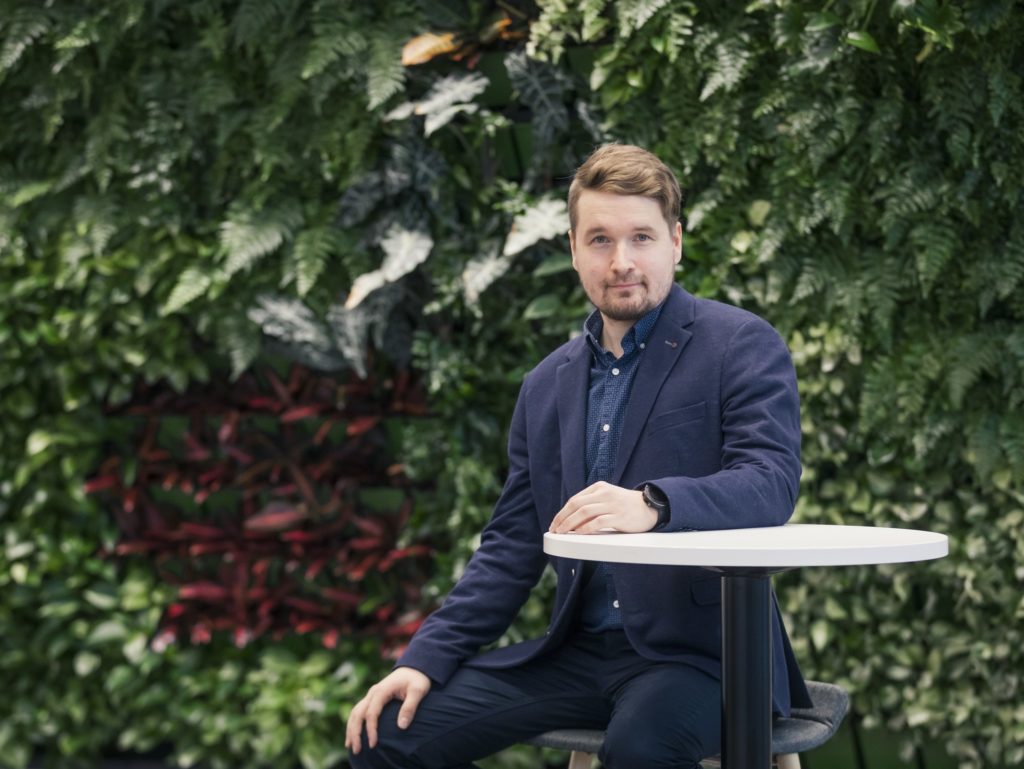
Leena Otsomaa, FRIF Board member

FRIF will announce the new Tandem Industry Academia Professor (TIA Professor) call in autumn 2022. TIA professors will receive funding for a one-year joint research project with an industry partner. During the funding term they will spend a period equivalent to one full year working in facilities provided by the business company. The funding may be spread out over a maximum of three years. 

The purpose of TIA Professor funding is to support collaborations between industry and research organizations and to give professors first-hand knowledge about relevant areas of research interest for business companies. Projects may involve precompetitive research and other supportive activities.

“We already have professors of practice who move from businesses to work in academia, but as yet there is no system to support mobility in the opposite direction. Based on our discussions with stakeholder groups and a questionnaire we conducted, there is strong demand for this kind of funding that gives professors from the academic world the opportunity to work more closely with business and industry,” says Leena Otsomaa, FRIF Board member who contributed to the working group that prepared the new funding scheme.

“This funding instrument is aimed at the very highest levels of academia. We’re keen to offer a competitive salary and to provide the opportunity for professors to do independent research with an industry partner and to gain first-hand insights into the business world,” Leena Otsomaa continues. 

TIA Professor funding is intended for professor-level academics at universities and research institutes. The grant ensures a competitive salary and covers other possible costs, such as travel, equipment and publishing expenses. The business partner contributes by providing in-kind resources, including the physical working facilities and environment for the TIA professor. Applications are submitted by the professor together with the business partner and the academic organization. The funding is paid out to the academic organization, with which the professor remains in an employment relationship.

The idea for professor exchange came about in stakeholder discussions hosted by FRIF in spring 2022, which were followed up and evaluated in an extensive stakeholder questionnaire. The crowdsourcing outcomes lent support to developing the idea into a new funding pilot. FRIF has earmarked around one million euros for the pilot. Further information on the call as well as application dates and guidelines will be published in autumn 2022.

In line with its strategy adopted in 2021, the Finnish Research Impact Foundation is committed to piloting funding instruments that support and promote collaboration between cutting-edge research and industry. The new TIA Professor pilot is the second novel funding experiment launched by FRIF. Under the Tandem Industry Academia programme for postdoc researchers, first announced in 2020 and opening its third call in spring 2022, the foundation has to date provided funding for 22 joint projects between research organizations and business companies.
Filed Under: Blog

SMEs keen to make good use of research, report finds – but struggle to see its practical relevance

1.6.2022 by vaikuttavuussaatio

Finnish SMEs are keen to make good use of science and research but do not see sufficiently robust benefits or relevant research subjects. This is the main message a new report commissioned by the Finnish Research Impact Foundation on the use of research knowledge among Finnish SMEs. At the same time, though, half of the companies represented in the survey said they would want to take a driving role in research utilization.

Download report in Finnish

Format: pdf
Size: 1,3MB

Download here

The research for the report addressed the motives, benefits and barriers to research utilization. It was conducted by a team of three Doctors of Science in Technology from LUT University (Lappeenranta-Lahti University of Technology): Tero Rantala, Minna Saunila and Juhani Ukko.

The survey data was collected among Finnish SMEs in March 2022. A questionnaire was sent out to management representatives of a random sample of SMEs. Responses were received from 108 different companies.

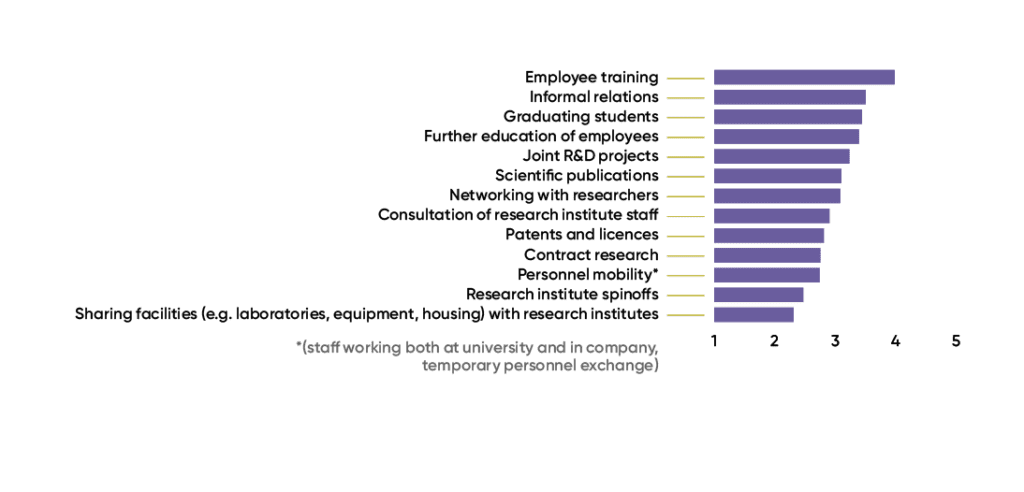
Research utilized in multiple ways – main focus on developing human skills

The report observes that Finnish SMEs place great value on the varied knowledge produced by universities and research institutes and on the utilization of that knowledge.

Practices of research utilization (1 = not significant, 5 = highly significant practice): average scores for responses.

Analysis of the data showed that the main benefits gained from research were explained by successful R&D projects, research institute spinoffs, contract research projects, and patents and licences.

According to the respondents, however, the most significant forms of research utilization were training and education (identified as significant by 77%) and informal relations (59%).

Absence of relevant research considered major barrier to utilization

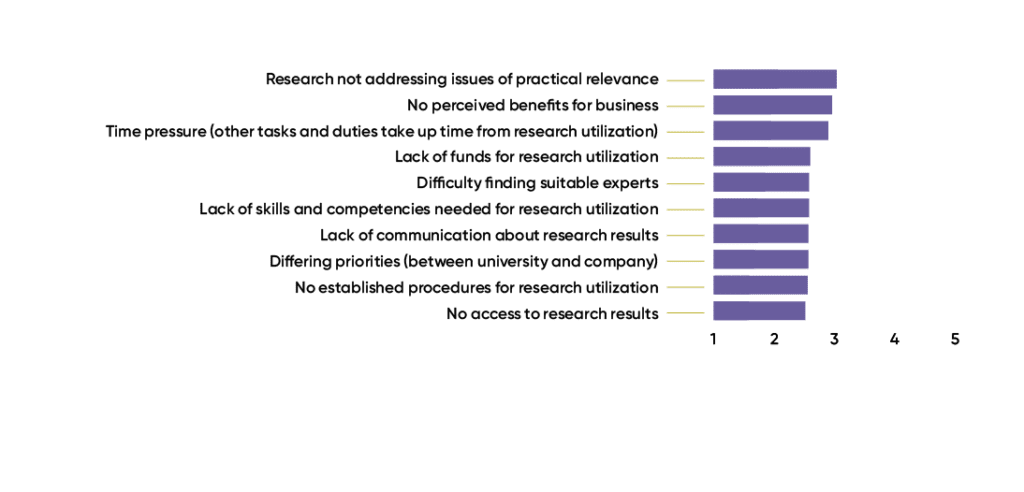
The single biggest barrier to making good use of research excellence was thought to lie in the absence of relevant research for SMEs’ own needs and purposes: 76% of SMEs said that research was not addressing practically relevant issues – or at least the respondents said they were not aware of such research. Other major barriers to research utilization were the absence of perceived benefits from research to the business, time pressures and lack of funds.

Barriers to research utilization (1 = not a significant barrier, 5 = highly significant barrier): average scores for top 10 most significant perceived barriers.

“We were all quite taken aback by the finding that many SMEs also thought communication about research results was a major barrier to research utilization. It’s clear that researchers and research organizations need to take a hard look in the mirror and consider the ways in which we interact and communicate with SMEs and maintain meaningful and relevant contact with them,” says Tero Rantala, one of the lead researchers on team.

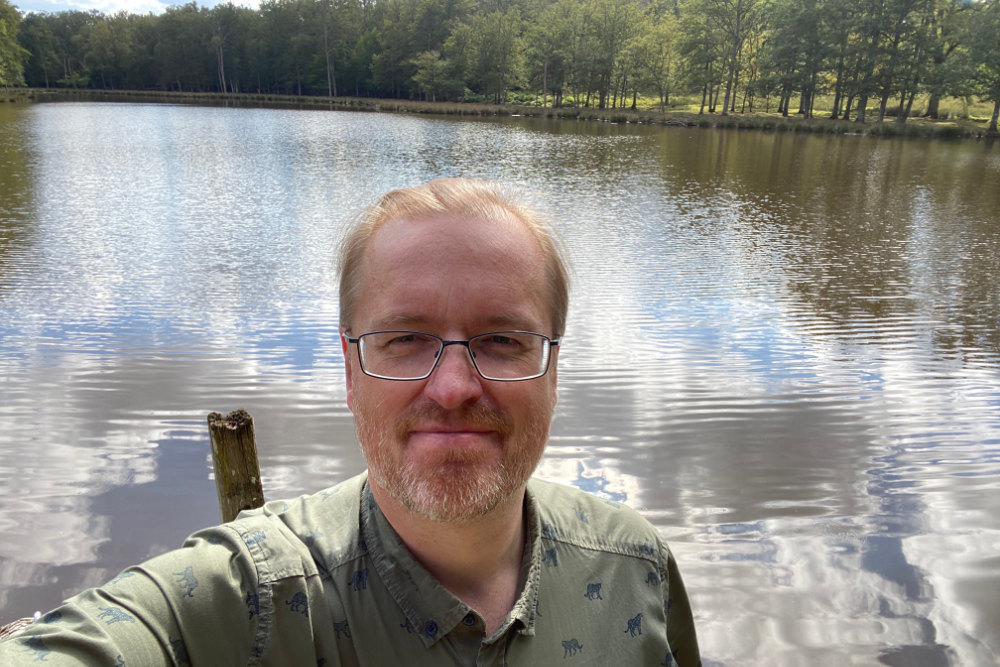
Tero Rantala, Doctor of Science (Technology), is researcher at LUT University.

Many SMEs keen to take a driving role in research utilization

Half of the respondents said the companies they represented would be keen to take a driving role in research utilization. The survey responses indicated that for these future trailblazers, lack of funds, lack of communication about research results and the absence of established procedures were more significant barriers to research utilization than for other respondents. These are predominantly service companies whose main market is not clearly limited to Finland and whose industry branch is characterized by rapid technological development and the prominence of sustainable development.

“These future trailblazers are companies that are not necessarily in the position to independently produce the research knowledge they need. Instead they have to actively look for ways to access new knowledge and skills. These types of research-hungry companies that have difficulty gaining access to research knowledge are going to have the greatest need for support in the future,” Tero Rantala continues.

Companies interested in maximizing the use of research excellence showed a more positive attitude than others to working closely with universities and other research organizations, but at the same time they were least satisfied with their current collaboration with universities and research institutes.

“SMEs don’t always find what they are looking for in the academic world. It’s possible that the needs identified by the company are so novel that research on the subject hasn’t even started yet. Or then the required dialogue is not in place and SMEs are not getting all the information about what’s going on at universities and research institutes,” Rantala says.

Lauri Oksanen, Chairman of the FRIF Board, explains the foundation’s rationale for commissioning the new report: “We wanted to gain a clearer picture of how SMEs use knowledge and how we could contribute to improving the interaction and cooperation of SMEs and research organizations. SMEs are an integral part of Finnish business and industry, but they remain an inadequately understood asset from the point of view of research utilization.”

SMEs

Statistics Finland figures for 2020 show that there are some 2,800 Finnish SMEs engaged in R&D (companies with less than 250 staff).

Figures for 2019 show that 93% of Finland’s 293,377 companies have less than 10 staff; 5.7% are small firms with less than 50 staff; 1.1% have 50–249 staff; and the remaining 0.2% are large companies with more than 250 staff.

SMEs are a major employer in Finland and have created large numbers of new jobs throughout the 2000s. The SME sector accounts for more than one-half of total business turnover in Finland and for over 40% of national GDP.
Sources: Statistics Finland and Suomen Yrittäjät.

Filed Under: Blog, Blog

Our Annual Report 2021 is published

22.5.2022 by vaikuttavuussaatio

The Finnish Research Impact Foundation’s Annual Report 2021 looks back at the events and highlights of our operations in the past year.

Read a message from the CEO Petro Poutanen and interviews with new Tandem Industry Academia projects’ partners!

Read the Annul Report here →

Filed Under: Blog

Invitation to complete our questionnaire on new areas of FRIF funding

5.4.2022 by vaikuttavuussaatio

FRIF is planning a new funding pilot and wants to learn about the needs and views of all stakeholder groups. On 23 March 2022, the Foundation hosted a discussion to canvass new ideas and perspectives. This questionnaire is intended to give a wider audience the opportunity to weigh and assess the views raised in this discussion and also to put forward any further suggestions regarding the foundation’s funding models and funding areas. Responding to the survey is a way of having an influence on Foundation’s funding priorities!

Completing the questionnaire will take around 10 minutes. We look forward to your response by Wednesday, 20 April.

You can access the questionnaire by clicking the following link or by copying it into your browser: https://link.webropolsurveys.com/S/6882572C8368DD06

The ideas and priorities brought forward in the questionnaire will be placed at the disposal of a working committee, which will submit to the FRIF Board its proposals for the most effective funding solutions. The responses we receive and your feedback are invaluable for us in developing new funding opportunities.

What is the Finnish Research Impact Foundation?

The Finnish Research Impact Foundation was created by the Finnish government in 2019 with a view to strengthening public–private partnerships and increasing the interaction between industry and academia. Ultimately the aim of FRIF is to strengthen Finnish business and industry through research excellence and to build a stronger platform for Finnish know-how and renewal in the long term.

FRIF funding is mainly dedicated to supporting cutting-edge research at universities and research institutes and to enhance the impact of that research by means of collaboration with business and industry. We have annually awarded funding worth around two million euros to universities and research institutes in the form of targeted research project grants.

The FRIF strategy underscores the foundation’s mission to experiment and pilot new innovative research funding instruments. Our existing funding instruments have already gained strong popularity and we are now looking to identify obstacles to industry-academia cooperation and to develop and try out new solutions.

Many thanks for responding!

Petro Poutanen, CEO

Filed Under: Blog

Tandem Industry Academia 2022 attracted 42 applications – the funding decisions will be made public in August

5.4.2022 by vaikuttavuussaatio

The call for applications for Tandem Industry Academia (TIA) 2022 closed on 31 March 2022 and the Foundation received 42 applications. The funding decisions will be made public at the end of August 2021.

The TIA funding model has been developed by FRIF with a view to encouraging ambitious precompetitive projects that further the aims of both leading-edge academic research and business and industry.

This was the third round of TIA funding calls. The FRIF launched the  first TIA call in 2020. The foundation has funded a total of 22 TIA projects in 2020 and 2021, with over four million euros in funding from FRIF.

The Foundation is looking to award funding to roughly the same number of projects in the spring 2022 call.

Filed Under: Blog

How can business and universities have successful cooperation – and what’s it needed for?

28.2.2022 by vaikuttavuussaatio

Postdoc researcher Tommi Jauhiainen from the University of Helsinki is working on a joint project with language technology company Lingsoft.

There is definite demand for research-driven cooperation between business and universities, according to a report out by the Finnish Research Impact Foundation in spring 2021. We got in touch with people working on FRIF-funded projects to find out more about the conditions and challenges of industry-academia cooperation and how best to finance this cooperation.

Most innovations that drive our society are based on new knowledge or new applications of existing knowledge. Knowledge creates business, which at its best generates money that can be used to produce new knowledge. This relationship of reciprocity is described at FRIF as the wheel of impact: this wheel continues to spin when business creates new research and vice versa. However, according to a report commissioned by the Finnish Research Impact Foundation in 2021, there remain major shortfalls in industry-academia cooperation in Finland.

“In the past ten years the focus of cooperation between business and universities in Finland has shifted towards so-called market-driven cooperation, whereas research-driven cooperation has taken something of a backseat,” says Mr Lauri Oksanen, Chairman of the FRIF Board.

Surveys by the Foundation show that in 2019, funding for market-driven research collaborations, i.e. projects launched in response to business initiatives, amounted to 130 million euros, which was allocated through Business Finland. Outside funding for research-driven cooperation initiated by universities and research institutes, on the other hand, totalled no more than two million euros. All that funding came from the Finnish Research Impact Foundation. “We’ve identified a clear gap in industry-academia cooperation and that gap must now be covered,” Lauri Oksanen says. PoDoCo (Post Docs in Companies) funding has blazed the trail in this field, providing opportunities for postdocs to tackle research questions that hold special interest for businesses.

FRIF Tandem Industry Academia funding is currently provided to 22 projects in which research teams from universities or research institutes and business companies are working closely on research questions that are of interest to both parties. Precompetitive funding is made available for basic or applied research, and it is intended to support projects whose impact extends beyond one single company or research team and that therefore contribute to the development of the wider field of study. The research results are made accessible to other companies as well, while the intellectual property rights remain with the research organization. In other words, the aim is not just to commercialize one research idea but to conduct research whose results can be scaled to the whole branch and that will advance both science and business.

Research-driven cooperation offers unique opportunities 

Jyrki Schroderus, Director of Research and Technology at Polar Electro.

Polar Electro, a Finnish wearable sports technology company, is built around strong research expertise. In the 1970s professor Seppo Säynäjäkangas conducted early studies into wireless data transfer methods and biomeasurement and eventually went on to commercialize his findings. The first products were launched in the early 1980s, and today the company has a R&D department with a research staff of around 30. “Typically R&D units in companies will be focused on product development, with actual research in a fairly marginal role. In our case too, it’s fair to say that development takes precedence over research, but we still invest more in research than many other companies,” says Jyrki Schroderus, Director of Research and Technology at Polar Electro.

However, Schroderus is keen to stress that even an ambitious research programme does not remove the need for cooperation with universities. While business companies’ research and product development is always business-driven and focused on productization, joint projects with universities enable longer-term groundwork and basic research. “It’s impossible for us to assign a research team to study a single subject for five years when there’s no guarantee of success. Corporate research must be more output-oriented and involve less risks,” Schroderus says. 

Polar is currently engaged in two FRIF-funded projects with the University of Oulu. One area of interest is to develop a smart watches that can monitor various health data such as blood glucose levels from sweat.

“The good thing about this funding is that even though the results are openly accessible, the research question is formulated from the vantage-point of our business operation. This means the results will genuinely benefit us and not remain at too abstract a level,” Schroderus says.

Research benefits from having practical application

Working closely with a business partner provides a unique opportunity for the researcher to collect feedback and to discover new research questions. Postdoc researcher Tommi Jauhiainen from the Department of Digital Humanities at the University of Helsinki is working on a joint project to develop language identification techniques for the needs of language technology company Lingsoft. He started his research career in a similar business partnership, and he thoroughly appreciates engaging in university-driven research collaboration. For him, the key factor is that the results and the intellectual property rights from the research remain with the university and are accessible for use in other projects as well. “I wouldn’t work in joint projects if this were not the case.”

Jauhiainen has worked in the field of language identification methods for more than 10 years. Business cooperation provides an interface with the concrete world that can otherwise be hard to find in academia. “The business partner cannot be content with knowing that the technology works in theory. It also has to work in practice. I get feedback from every version I develop, and that helps me improve the technology further. This is the kind of work you’d never get done without a company that needs to put the technology to practical use.”

Jauhiainen feels that business cooperation goes to the very foundation of the impact of science and research. When that cooperation produces something that works and when the results are later made openly available, that can have a significant impact on the whole field of research. “Once the foundations are in place you can move much faster with developing applications,” he says. If the development of technologies such as language identification were left to companies alone, research would not make headway because companies will rarely give others access to their development outputs. This is another reason why Jauhiainen feels it’s important that cooperation is grounded in the interests of research.

Cooperation between business and universities remains rare in Finland 

A recent review commissioned by FRIF indicates that industry-academia cooperation has been on a downward trend over the past ten years. Finnish universities are getting less funding than before from private companies, and less than in the EU and OECD countries on average. This means that cooperation cannot depend on industry initiatives alone. “This situation cannot be solved by money alone. We also need to set up concrete funding mechanisms that encourage long-term cooperation,” Lauri Oksanen points out. FRIF is currently working to develop a new funding model alongside the Tandem Industry Academia programme. “We’re listening with a keen ear to signals coming from the field and aiming to create a funding instrument that will take the impact of science to the next level.”

FRIF has found that there is a special need to encourage collaboration between SMEs and universities. It has therefore started a separate review into the application of research knowledge in the SME field. Results from this work are expected during 2022. 

At Polar Electro, Jyrki Schroderus believes that cooperation is easier for companies that have existing networks in academia. “Without an understanding of the other side it’s difficult even to imagine what kind of cooperation is possible. Personal contacts make it easier to cross the threshold,” he says. Polar’s initial contact with the University of Oulu was an easy introduction because the circles are quite small in Oulu and most researchers now each other well. Schroderus believes another contributing factor is that he has a PhD himself and is familiar with the academic way of thinking.

This “academic literacy” is also reflected in Tommi Jauhiainen’s experiences of successful business cooperation. The people behind Lingsoft, the company with which he is working, are academics, as are Jauhiainen’s contacts in the company. Researchers, for their part, must also show an interest in the business company’s needs, Jauhiainen adds: “You don’t need to interfere in the business side, but it’s definitely beneficial for cooperation if you try to get as clear a picture as possible of how the company will be using the research results.”

Schroderus’s tips for successful cooperation

  1. A good project team is not a hierarchy – all members must be equal. 
  2. Project supervision benefits from having a dedicated contact person in the company whose role is to make sure the project runs according to plan and that the company’s goals are met. 
  3. Maintain a weekly or other regular schedule for project meetings to ensure good communications within the team.

Filed Under: Blog

  • « Go to Previous Page
  • Page 1
  • Interim pages omitted …
  • Page 6
  • Page 7
  • Page 8
  • Page 9
  • Page 10
  • Interim pages omitted …
  • Page 12
  • Go to Next Page »

Footer

Vaikuttavuussäätiö

Eteläranta 10, 00130 Helsinki
+358 40 767 1631
petro (at) vaikuttavuussaatio.fi

Billing Information →

  • Facebook
  • Instagram
  • LinkedIn
  • Twitter

Privacy Policy →

Copyright © 2025 Vaikuttavuussäätiö