• Skip to primary navigation
  • Skip to main content
  • Skip to footer
Vaikuttavuussaatio

Vaikuttavuussaatio

Vaikuttavuussäätiö vahvistaa ja tukee huippututkimuksen vaikuttavuutta ja elinkeinoelämän yhteyksiä.

  • FI
  • EN
  • Front page
  • Funding
    • Open and upcoming calls
    • Previous calls
    • Projects funded
      • TIA Postdoc (2025)
      • TIA Seed (2024)
      • TIA Professor (2024)
      • TIA Postdoc (2024)
      • TIA Professor (2023)
      • TIA Postdoc (2023)
      • TIA (2022)
      • TIA Professor (2022)
      • TIA (2021)
      • TIA (2020)
      • Assessing the effectiveness of the new funding model (2020)
    • Grant application system
  • Foundation
    • About
    • Annual reports
    • Blog
    • Impact assessment
  • Publications
    • Impact assessment
    • Other publications
  • Contact

Article

The FRIF – “An influencer greater than its size in the Finnish research and innovation landscape”

17.3.2025 by vaikuttavuussaatio

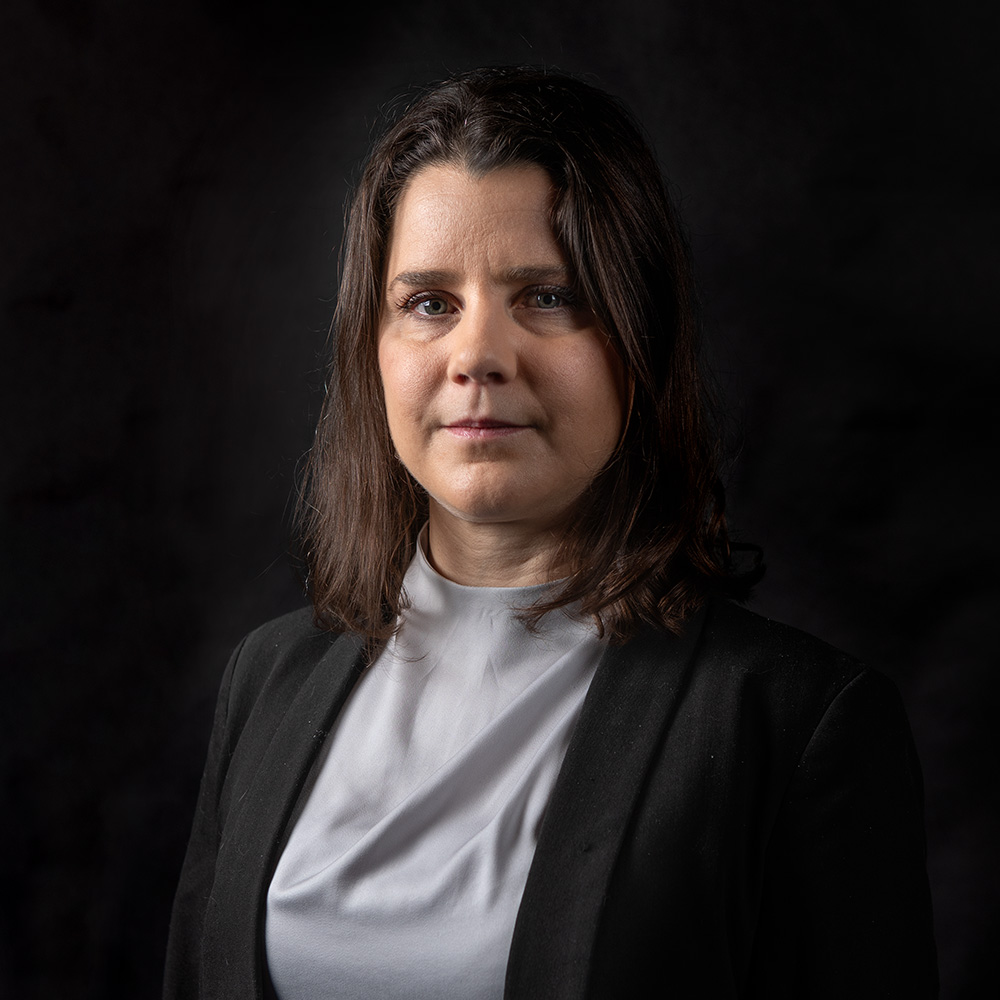
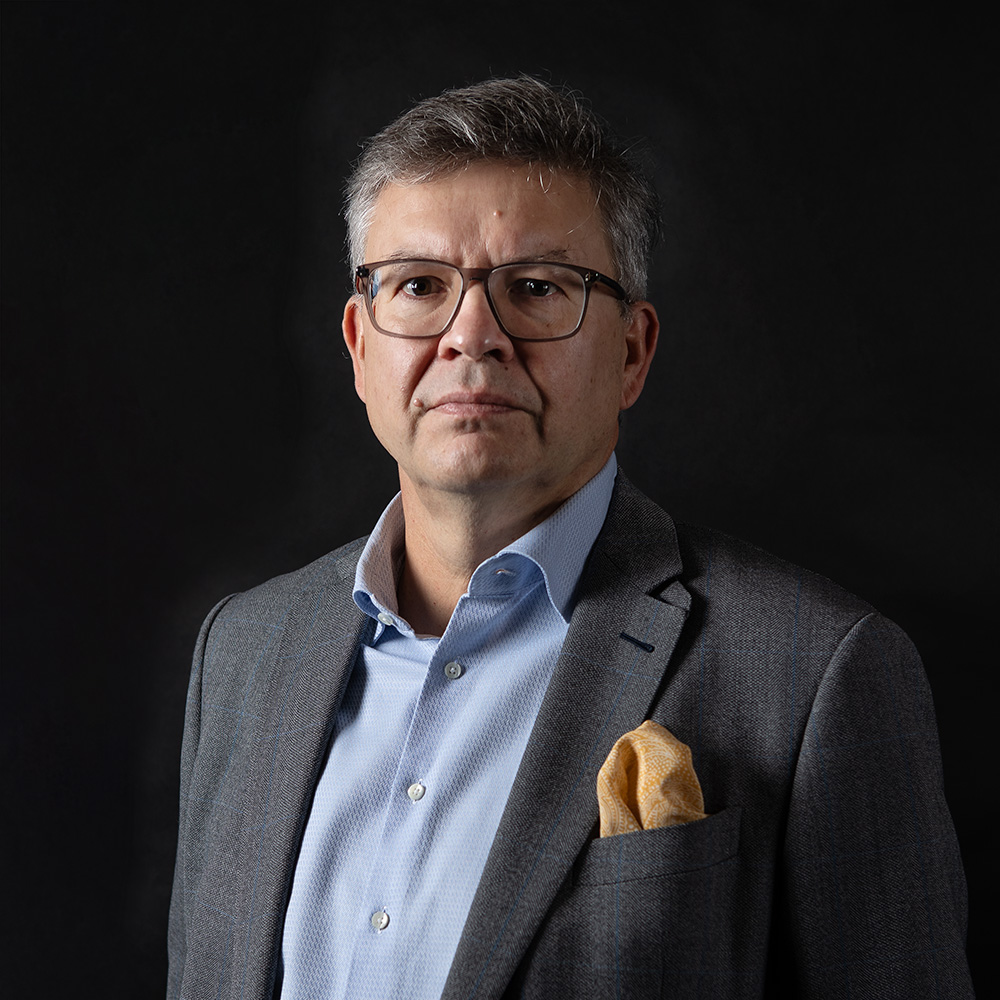
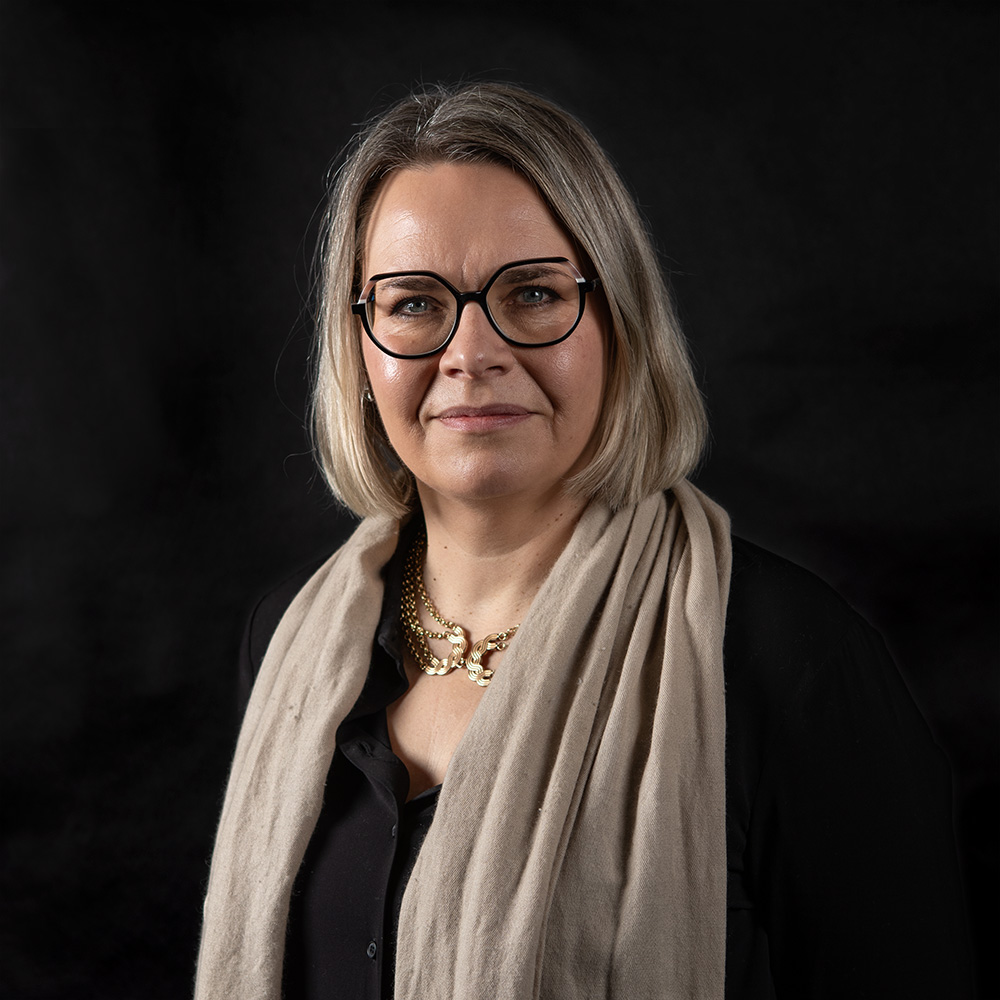
The Finnish Research Impact Foundation (FRIF) board is welcoming three new members for the 2025–2027 term, who began their roles at the start of 2025. At the same time, Lauri Oksanen, Keijo Hämäläinen, and Virpi Muhonen will step down, having made a significant impact on the foundation’s work. We gathered thoughts from the outgoing board members on their experience in the board and FRIF’s role in connecting research and business.


Lauri Oksanen: “The Foundation has influenced the dialogue and expanded collaboration”

Lauri Oksanen has served as the Chair of FRIF’s Board since its founding in 2019. Having had a long career at Nokia, where he also serves as the head of Nokia’s global research, he brought valuable insights into the needs of large corporations and international research collaboration.

What has inspired you the most during your time on the board?

 “Seeing the enthusiastic reception of new funding models and the projects they have enabled. It has been rewarding to be involved in developing initiatives that have a tangible impact.”

What do you see as the Foundation’s most significant achievement during your tenure?

 “A renewed understanding in Finland of the importance of research-business collaboration. FRIF has set an example through its innovative funding models and has played a key role in shaping discussions on the RDI system.”

How do you see the Foundation’s role in the future?

 “FRIF has had a much larger impact than its size would suggest. Going forward, it will be crucial to ensure that research-business collaboration continues to advance in practice. At the same time, new ways must be found to improve the efficiency of the RDI system.”


Virpi Muhonen: “The Foundation connects research and business in a new way”

Virpi Muhonen has been a member of FRIF’s Board since 2019. As the founder of a startup based on her own research, she has brought valuable expertise in research-driven entrepreneurship.

What has inspired you the most during your time on the board?


“The opportunity to explore research projects across different fields and to develop new funding instruments with tangible positive impacts.”

What do you see as the Foundation’s most significant achievement during your tenure?

“FRIF has successfully launched several new funding instruments and increased awareness of the impact of research-business collaboration.”

How do you see the foundation’s role in the future?

 “Although FRIF is a small player, it has identified the right avenues for influence and achieved significant impact through them. Going forward, the key will be to continue developing new models and sharing what has been learned.”


Keijo Hämäläinen: “Impact is genuinely at the core of all activities”

Keijo Hämäläinen served on the board from 2022 to 2024. As the rector of both the University of Jyväskylä and Tampere University, and an experienced scientist, he brought a high-level research perspective to the board.

What has inspired you the most during your time on the board?

 “The dynamism and the ability to test new approaches without the constraints of traditional structures. The diverse expertise within the board has also enriched the overall vision.”

What do you see as the Foundation’s most significant achievement during your tenure?

 “The introduction of innovative funding instruments, such as the TIA Professor model, which represents something entirely new in Finland’s funding landscape.”

How do you see the Foundation’s role in the future?

 “FRIF is much bigger than its size. Its greatest strength lies in identifying gaps and responding to them quickly.”

Read more about the three new members of FRIF’s Board here and learn about their perspectives on the foundation’s future.
Filed Under: Article

Innovation activist Sampo Ahonen brings expertise in business internationalization to the FRIF

17.3.2025 by vaikuttavuussaatio

Sampo Ahonen has built his career in project-based business and the commercialization of innovations. As a member of the Finnish Research Impact Foundation’s (FRIF) Board, he aims to help identify Finnish research ideas with strong commercial potential.

Who are you, and what motivated you to join FRIF’s Board?

“I have a degree in electrical power engineering and have worked in various international companies throughout my career – as an expert, in leadership roles, and as a founder. Currently, I am a partner at the private equity firm Helmet Capital, which has also led me to serve on the boards of several SMEs.

Three key themes have remained central throughout my career: project-based business, international business, and the commercialization of innovations. I even call myself an innovation activist!

I was initially invited to join FRIF’s Board through Technology Industries of Finland, and I was immediately inspired by the foundation’s mission. I quickly saw that FRIF is doing exactly what needs to be done to foster commercial success in Finland.”

FRIF seeks to identify financial bottlenecks for businesses, such as the so-called ‘valley of death’ or growth gaps in green innovations. How can companies overcome these hurdles?

“The financing landscape in Finland is challenging, and funding gaps appear in various places. What concerns me the most is that as a nation, we have become rich in ideas but tend to assume that commercialization happens automatically.

An idea itself is not yet an innovation – by innovation, I mean a commercialized, successful product or service that has actual customers. The journey from an idea to a commercialized innovation runs through an ‘innovation pipeline,’ and we need to make these pipelines more fluid.

We need to create clear innovation pathways for every idea, ensuring that each has a structured route to commercialization. By doing so, we can identify financial bottlenecks early and address them proactively. This is where FRIF’s support, for example, can help advance ideas toward commercialization.”

You have specialized in the internationalization of technologies. How can collaboration between research and business become even more impactful on a global scale?

“Courage, courage, and more courage. If we want to be the best or second best in the world in any technology sector, we need the courage to be open. This means, for example, involving partners at the very early stages of projects.

Many innovations do not emerge solely in Finland. We may have specialized expertise and cutting-edge research that fits into a specific phase of the innovation pipeline, but we may not have world-class expertise throughout the entire pipeline. In such cases, we must identify where the best global expertise exists and bring it in early enough.

Of course, timely funding also helps overcome a lack of courage.”

FRIF’s new strategic focus is on integrating humanities and social sciences into business. Why do companies need humanities expertise now more than ever?

“At the end of the day, people solve even the most complex problems. While AI has its place, innovation pipelines won’t function without human interaction.

We must understand human interaction better and determine how to get the best out of teams and individuals. Humanities play a crucial role in this – just as much as technical sciences. I have no doubt about that.”

Finally, what do you hope to achieve during your term on FRIF’s Board? What are you most looking forward to?

“I want to help ensure that we can identify commercializable ideas and opportunities as early as possible, leading to real innovations. Strengthening the innovation pipeline is my mission, and FRIF is an exciting platform to advance that goal.

I also look forward to learning new things on the board. I believe there are many projects I haven’t heard of yet, and I anticipate discussions that will challenge me, both by increasing my understanding and, perhaps, by adding a bit of frustration along the way.”

Check out here  the stories of the other new board members and read how the outgoing members view FRIF’s impact and future.

Filed Under: Article

Maija Urponen Brings Expertise in the Interaction Between Human Sciences and Business to FRIF’s Board

17.3.2025 by vaikuttavuussaatio

The Finnish Research Impact Foundation’s (FRIF) new board member, Maija Urponen, is a human sciences researcher and entrepreneur who has dedicated her career to promoting the societal impact of research in various roles. During her term, she aims to strengthen the connection between human sciences and the business world.

Who are you, and what motivated you to join FRIF’s Board?

“I was a bit surprised when I was approached about joining the foundation’s board. But my response was immediate: ‘Absolutely, of course I want to be part of this!’ I was happy to accept because, for the past ten years, research impact has been a central theme in my work.

I have a background in sociology and hold a PhD in gender studies. For much of my career, I worked in research services at the University of Helsinki. I also spent time in the United States learning about collaboration between human sciences researchers and businesses. For the past three years, I have been an entrepreneur at Kaupunkitutkimus TA, a company that provides research-based knowledge and research collaboration to support sustainable urban development.”

FRIF’s new strategy places a strong focus on integrating human sciences into business. You have also explored this issue in your career. What needs to happen to make this a reality?

“One challenge in human sciences is that researchers and businesses often operate in completely separate worlds. The further a researcher in human sciences advances in their career, the fewer connections they typically have with the business sector. At the same time, companies are largely unaware of what is happening on the academic side.

For human sciences to be more effectively integrated into business, both sides need to gain a better understanding of each other. It is difficult to generate demand for human sciences expertise if researchers and companies don’t recognize what they could offer one another.”

What advice would you give to researchers in human sciences looking to apply their expertise in business?

“I encourage researchers in human sciences to actively network with professionals outside academia. There are many of us working beyond the university setting. For example, LinkedIn hosts many professional discussions on topics where researchers in human sciences have valuable insights to contribute. It’s promising to see more researchers joining LinkedIn, where business representatives are already active, as this shift could help connect experts across disciplines.

There are also many conferences and events outside the academic sphere that welcome researchers as speakers. These events provide excellent opportunities to hear about the challenges businesses are tackling—challenges where human sciences researchers could offer solutions.

Another effective approach is simply reaching out to business representatives for conversations to identify shared areas of interest. Nonprofit organizations can also serve as valuable bridges between academia and business, as they often collaborate with both sectors.”

Why should a company hire a researcher in human sciences or engage in research collaboration with one?

“Human sciences expertise gives companies a broader perspective on the society they operate in. Collaboration between professionals from different academic backgrounds can lead to new ways of solving problems or overcoming roadblocks that seem otherwise insurmountable. Most importantly, human sciences researchers excel at identifying new questions and challenging old assumptions—this can spark genuinely novel ideas.

Companies conduct various studies and surveys, but human sciences offer tools to extract even deeper insights from data.

For example, in product development, ethnographic research has helped create products that truly meet people’s needs. An ethnographic approach provides a deeper understanding of how a product fits into everyday life and where it might need improvement.”

Finally, what do you hope to achieve during your term on FRIF’s Board? What are you most looking forward to?

“My goal on FRIF’s Board is to support projects that connect human sciences expertise with business. At the same time, I want to ensure that these projects are meaningful for both companies and researchers.

Human sciences-business collaboration may require us to rethink how we approach research partnerships. It might even push us to redefine the role of innovation itself. That’s why I’m excited to see what kinds of projects and results emerge during my term.”

Check out here the stories of the other new board members and read how the outgoing members view FRIF’s impact and future.

Filed Under: Article

Gyöngyi Kovács brings the voices of international experts to FRIF’s Board

17.3.2025 by vaikuttavuussaatio

Gyöngyi Kovács is the Vice Rector for Research at Hanken School of Economics and a pioneering researcher in humanitarian logistics. On the Board of the Finnish Research Impact Foundation (FRIF), she wants to promote the integration of international top researchers into Finland and strengthen the interaction between research and business.

Could you introduce yourself and your career briefly? What inspired you to join FRIF’s Board?

“I’m Gyöngyi Kovács, Vice Rector for Research at Hanken and a professor of humanitarian logistics. I joined FRIF’s board through the Council of Rectors of Finnish Universities Unifi.

Even before joining the board, I was impressed by the kinds of projects FRIF is running. For example, the foundation’s TIA Seed funding for international researchers is an extremely important and interesting initiative.”

Could you briefly explain what humanitarian logistics is and why it is needed?

“I often say that logistics is logistics, no matter the field. In humanitarian logistics, the key issue is how to operate in crisis, conflict, and disaster areas and how to get aid delivered effectively. I have done research, for example, with the logistics division of the Red Cross.

I have been working in humanitarian logistics for a long time. When I started, there was hardly any published research in the field. My colleague and I wrote a paper on the topic for a conference, and it was selected as the best paper of the event! But what was even more important was that at the conference, many researchers told me they wanted to develop collaboration around humanitarian logistics.

Now, humanitarian logistics has grown into a huge field. The HUMLOG Institute, jointly run by Hanken and the Finnish National Defence University, is the world’s largest humanitarian logistics institute.”

One of FRIF’s new strategic priorities is to promote the recruitment and integration of international top researchers into Finland. You yourself are a top researcher who moved to Finland from Austria. How do you think this goal can be achieved?

“The integration of top researchers into Finland is crucial, especially since the number of working-age people in the country is steadily decreasing.

It is also important that international top researchers in Finland are not confined only to academic careers but also engage with the business sector. Sometimes it seems that top researchers and businesses still don’t fully connect. Of course, FRIF could support this by organizing funding programs and events that enable these encounters.

Companies should also better recognize when expertise is more critical than, for example, Finnish language skills. In very few situations it is necessary to negotiate in Finnish, but professional expertise is much harder to replace.”

The foundation also aims to strengthen the role of human sciences in business. How do you think this could be promoted?

“There is a lot of research and expertise in human sciences in Finland, but it does not always connect with business. I would focus on ways to promote these connections – that is one of FRIF’s key objectives.

The funding landscape also needs to evolve so that, in addition to technical fields, human sciences are better recognized.”

Finally, what do you hope to achieve during your term on FRIF’s Board? What are you most looking forward to?

“First of all, FRIF’s board is very well structured and balanced. It includes people from different backgrounds, representing both business and research. We have already had very interesting discussions.

I hope that I can amplify the voices of international researchers in Finland. A lot of expertise is wasted when researchers cannot do their work or network simply because essential information and events are available only in Finnish.

We are also seeing examples around the world where researchers face restrictions on what kind of research they are allowed to do. Finland could be a safe haven for researchers from all over the world.”

Check out here  the stories of the other new board members and read how the outgoing members view FRIF’s impact and future.

Filed Under: Article

Footer

Vaikuttavuussäätiö

Eteläranta 10, 00130 Helsinki
+358 40 767 1631
petro (at) vaikuttavuussaatio.fi

Billing Information →

  • Facebook
  • Instagram
  • LinkedIn
  • Twitter

Privacy Policy →

Copyright © 2025 Vaikuttavuussäätiö